
FOOD | ITALIA | LIFESTYLE | TRAVEL TIPS
Calabrian Bergamot: The Citrus That Saved My Trip to Crete

I’m addicted to it.
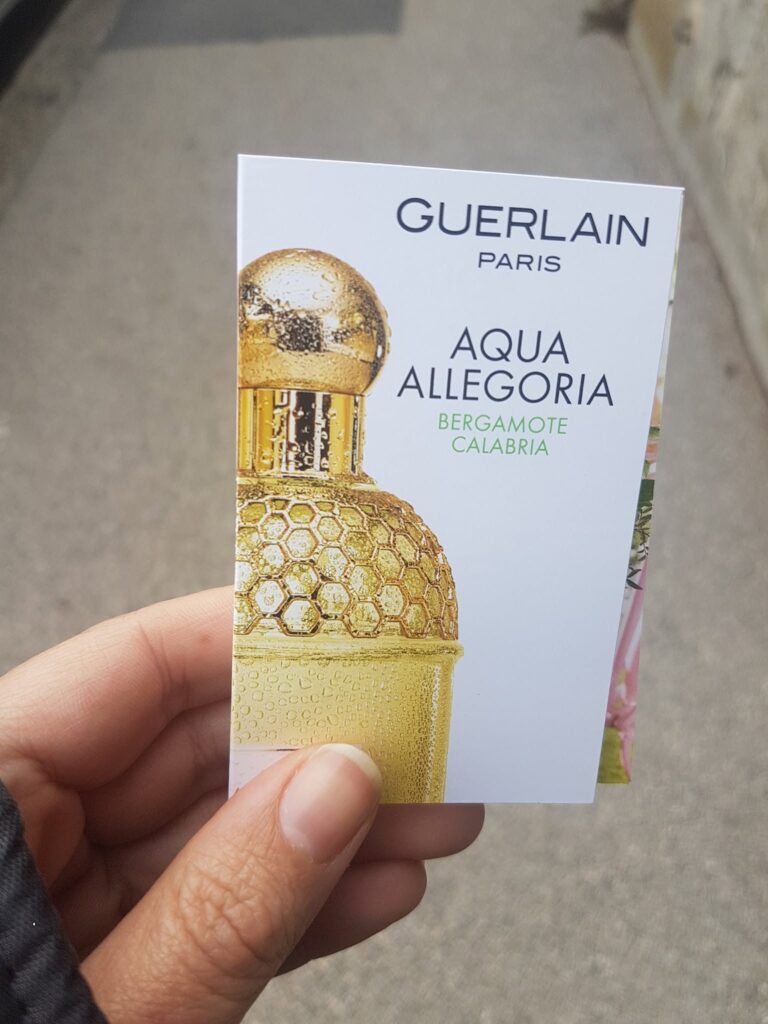
It may come in Earl Grey, the Aqua Allegoria of Guerlain, as essential oil or liquor, I never have enough of it.
Even Cire Trudon, the French Maison known for its luxury candles, uses bergamot in some of their scents. That’s how far this citrus travels — from Calabrian orchards to the finest Parisian ateliers.
It is part of my wellness routine as well as my nutrition.
Calabrian Bergamot to me is a kind of magic.
Its perfume and flavor inebriates me, my tastebuds scream delighted in joy whenever they taste it.
It brings physical and mental relief.
I was in the train on my way to the airport to fly to Crete when all of the sudden a strong nausea hit me.
I had nothing with me, but some bergamot candies.
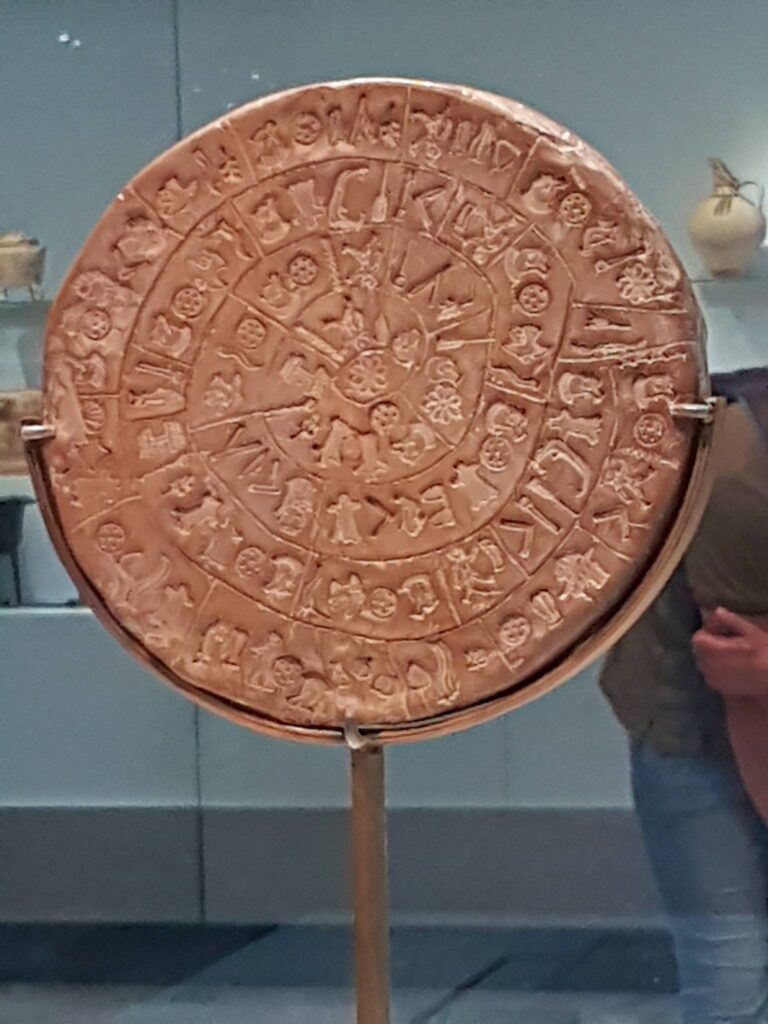
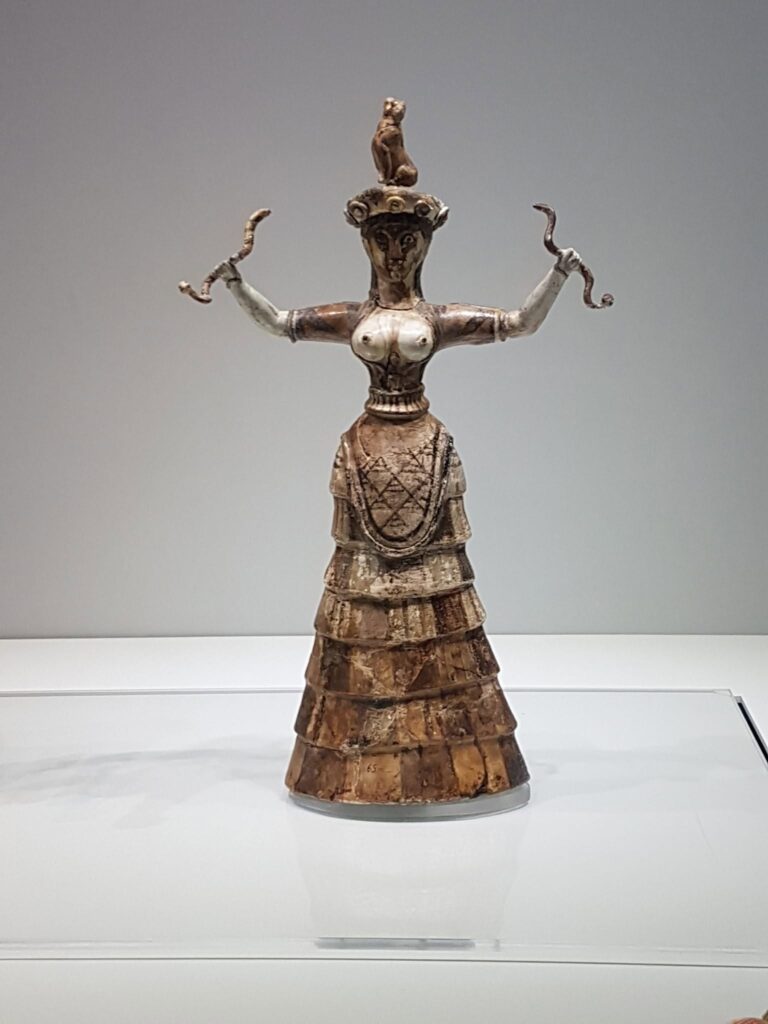
I took one and by the time I landed in Crete I was able to enjoy my tour in Knossos Palace, visit the legendary Labyrinth and the archeological museum of Heraklion where I finally could admire – among others – the Minoan Snake Goddess and the Phaistos Disk.
Since then, bergamot is one of my travel essentials: it does not take much space, it improves my mood, helps me to sleep better and heals my stomach, when needed. I bring it along as edible essential oil, so that I can ingest it if I need it, otherwise, smelling is enough. And it’s an excellent gift for my non-Italian friends that still didn’t have a chance to get to Calabria.
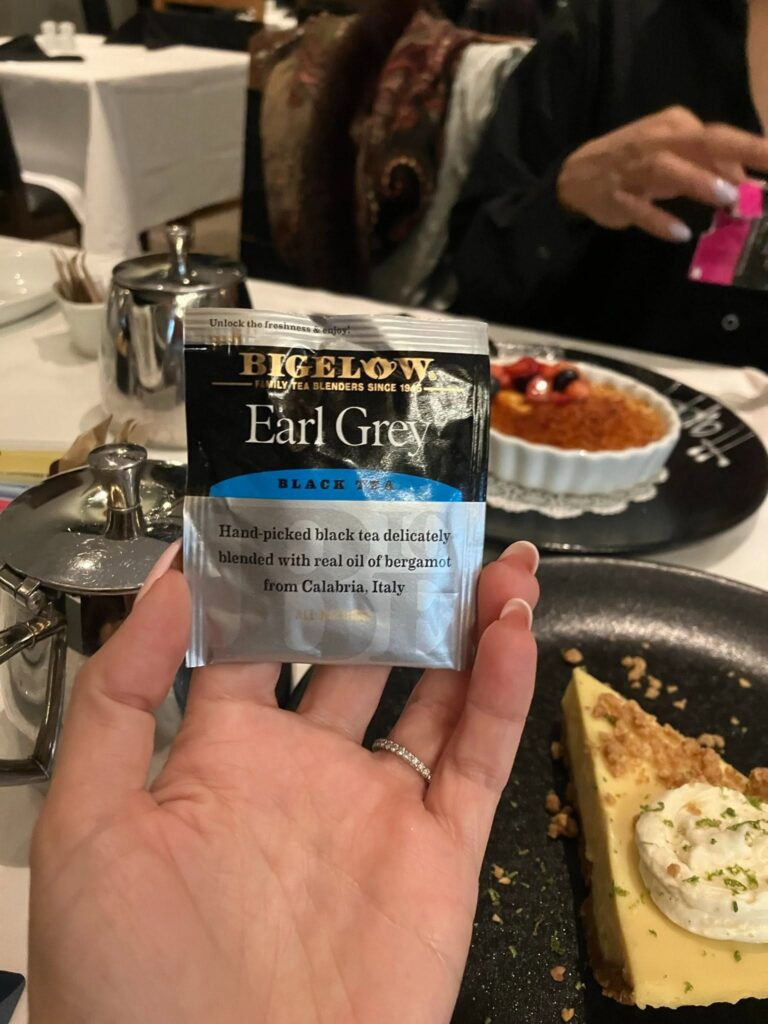
My friend Eva knows well my obsession for bergamot. She lives in Washington and once sent me a picture of a tea bag mentioning “blended with real oil of bergamot, Calabria, Italy.” That’s how far its reputation travels.
Bergamot is a citrus growing up in the province of Reggio Calabria, the product of a very specific microclimate. Yes, you can find it in other parts of the world, but it does not have all the same chemical and olfactive qualities that you get in the Calabrian Bergamot. They tried to grow it elsewhere, the experiment was not successful.
The interesting bit of the story is that the fruit in itself is almost not-edible, as it is extremely extremely sour, so unless you have a mouth made of asbestos, you can’t really eat it as if it were an orange or a grapefruit. Try to squeeze a bergamot and drink its juice, you’ll see what I mean.
On the other hand, its use in gastronomy and cosmetics is extremely versatile.
Bergamot is mainly employed in gastronomic products or beauty ones.
When I spot the word “bergamot” in an Italian restaurant in Switzerland or outside Italy, I know that the owners or the managers must have a connection to Calabria.
My salad is only dressed with bergamot flavored olive oil and it elevates the flavors of fish and seafood.
If you cook bergamot pasta you don’t need to add anything much that some fresh cherry tomatoes to have a mouth-watering, yet very simple, dish.
Thirsty? Have a bergotto, i.e. a bergamot-flavored soda drink. Too sugary? Then opt for the diluted juice with no sugar, excellent to lower cholesterol level.
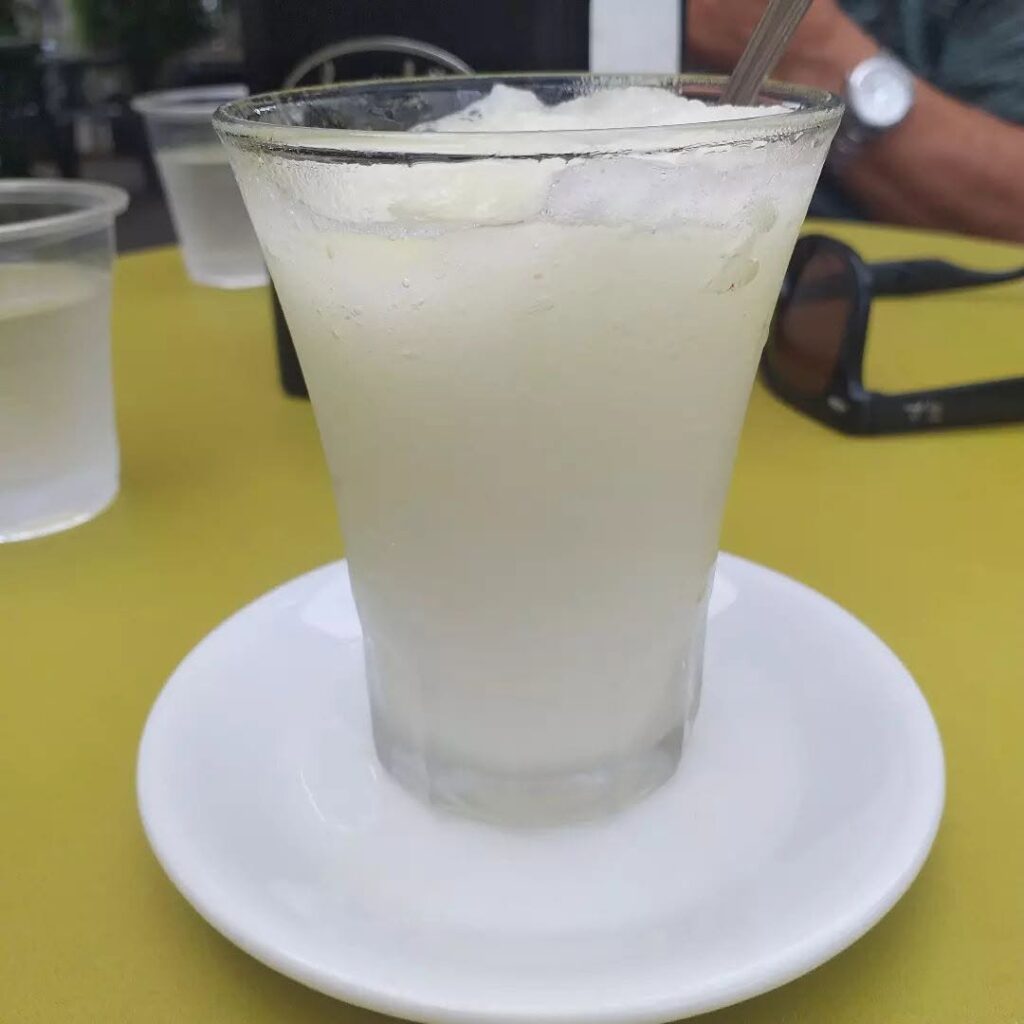
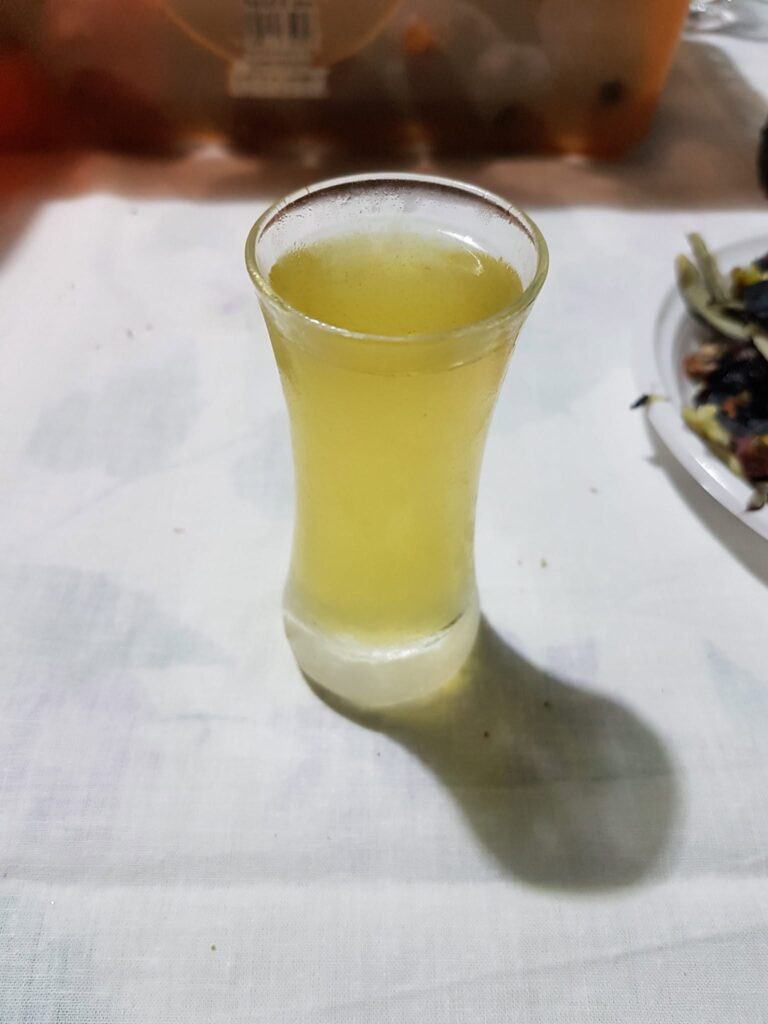
Do you need something stronger? You can have a shot of bergamot liquor or a bergamot cream liquor, it will be an excellent closing ceremony after your 3-course meal and the coffee. In summer you can choose between bergamot granita and ice-cream.
When I think of the Gods drinking ambrosia, I imagine it tasting as bergamot.
Bergamot is one of the excellences of Calabria. Just like me 🙂
Gastronomy
Beauty

Michelle, Ylenia and myself arrive finally in Busan after an extenuating trip, from Geneva to Frankfurt and from Frankfurt to Seoul. As if a 15-hour flight were not tiring enough,…

The first time I went to South Africa, I skept the Kruger National Park. I was focusing on diving and that was the only thing I did for 10 days….

« I don’t want to go to Saudi Arabia, there is no way I’m going to cover my head ». I have heard it many times and said it myself many times…

I had heard of Megale Hellas Diving Center for the first time in 2015. It was my diving instructor, from Milan, that told me: « There is an outstanding diving center…

Of course Korea is a peninsula and Busan is by the ocean, that’s why we go straight for sea food as soon as we arrive in the city. Our friend…

It has been a well-established ritual of mine for some years now to prepare for a trip by reading novels from the destination I am about to visit. If I…